
AGES 5 TO 18
An hour a day, on average
The NHS says children and young people should aim for an average of at least 60 minutes of moderate or vigorous activity a day across the week, plus activities that build muscles and bones.
Check an age
WHAT THE UK GUIDELINES SAY
60 MINUTES a day, on average, from 5
AI-generated image, not a photograph of a real person or place.
Every age has its own daily target.
The UK Chief Medical Officers' guidelines set a daily amount of activity for every age, from tummy time for babies to an hour a day for teenagers. Running, climbing, scooting and dancing all count.
THE SHORT ANSWER
The amount changes with age.
The message stays the same: move every day.
AGES 5 TO 18
The NHS says children and young people should aim for an average of at least 60 minutes of moderate or vigorous activity a day across the week, plus activities that build muscles and bones.
Check an ageUNDER 5S
Toddlers and pre-schoolers should be active for at least 180 minutes a day, spread through the day. For this age, light activity such as rolling and playing counts.
Ideas that countEVERYDAY
Walking to school, playground games, cycling, skipping and dancing are all on the NHS list of moderate activity. It does not have to be organised sport.
See the numbersGeneral information only, not professional safety advice. If someone is in immediate danger, call the emergency services.
FOUR WAYS TO ADD MINUTES
The guidelines are about the whole day, not just PE or a club. These ideas come from the NHS lists of activities that count.
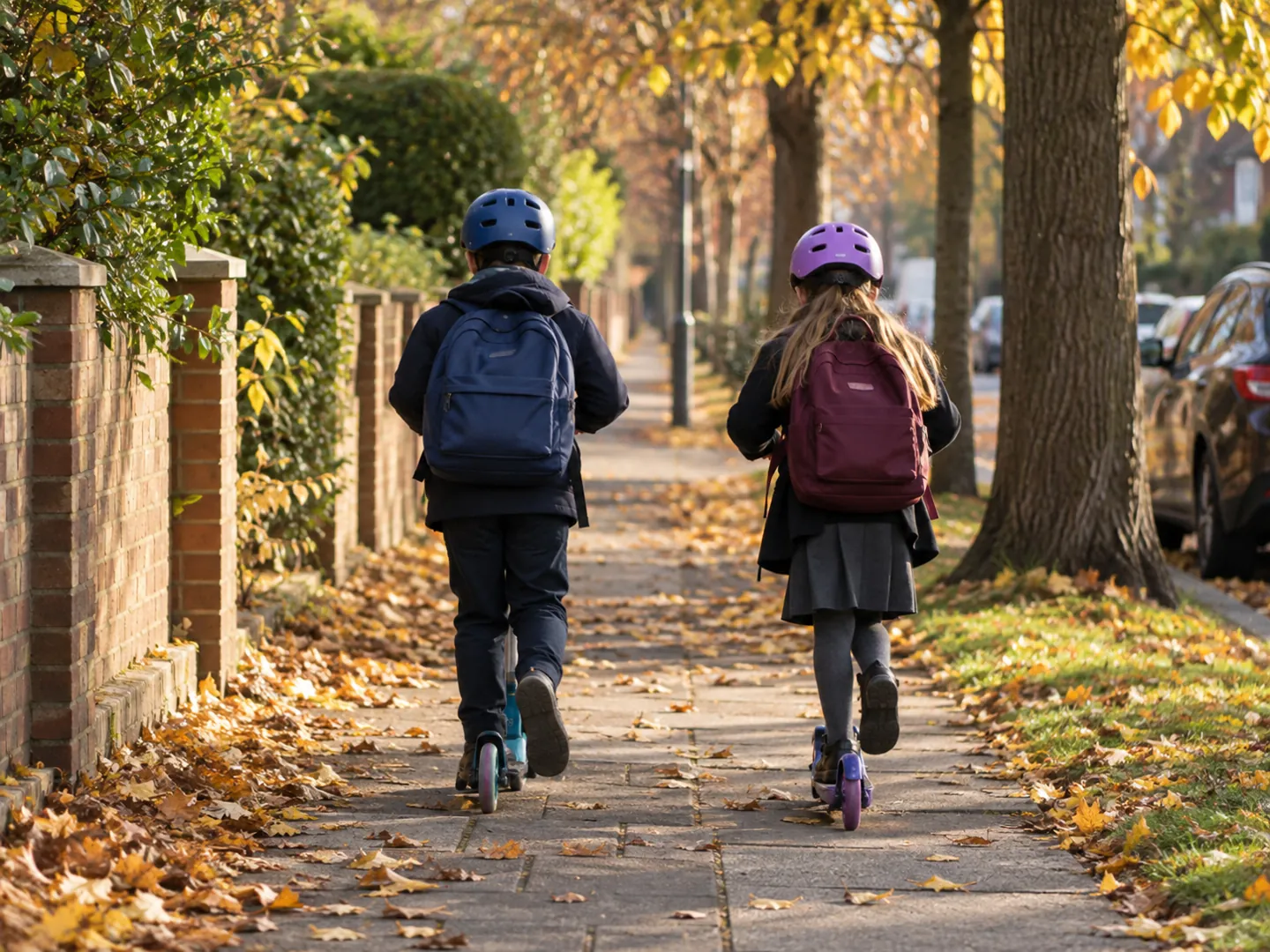
Walking to school or walking the dog counts as moderate activity: enough to breathe faster and feel warmer.
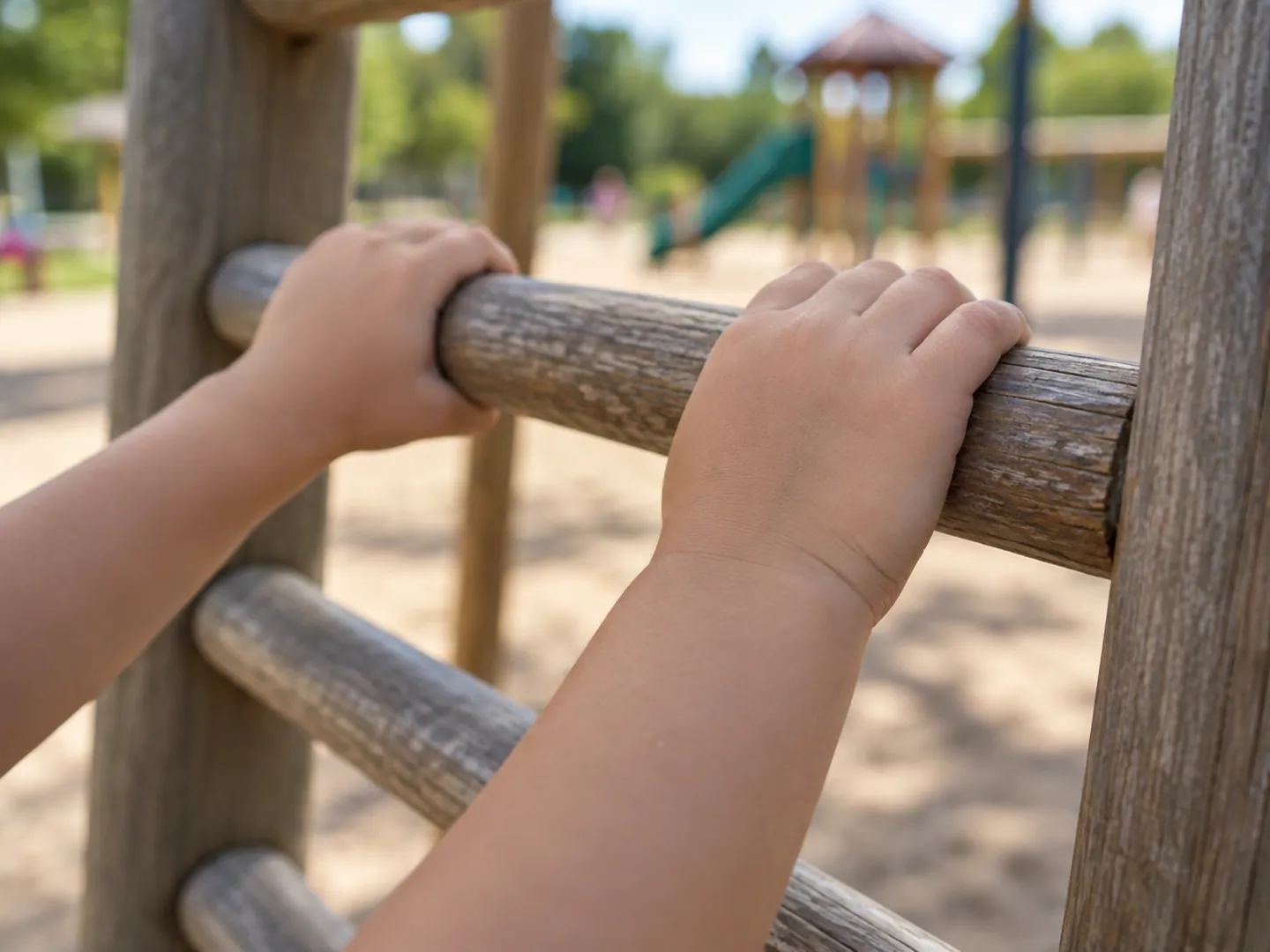
For under 5s, active play such as climbing frames, chasing games, ball games and riding a bike is the best way to get moving.
Jumping, gymnastics, football and martial arts help build muscles and bones, which the guidelines ask for across the week.
Cut time spent sitting or lying down, and break long periods with some activity. Long spells strapped in a buggy or car are not good for under 5s.
TWO NUMBERS WORTH KNOWING
From Sport England's Active Lives survey of
children and young people, 2024-25.
49.1%
Children meeting the 60-minute guideline
The highest since the survey began in 2017-18, when it was 43%. It still means more than half of children and young people in England are not active enough.
ACTIVE · SPORT ENGLAND
28.4%
Averaging under 30 minutes a day
Just over a quarter of children do less than an average of 30 minutes a day. Another 22.5% are fairly active, at 30 to 59 minutes.
LESS ACTIVE · SPORT ENGLAND
Sport England found a gap between girls (46% active) and boys (52%), and only 40% of children with two or more characteristics of inequality met the guidelines.
A QUICK AGE CHECK
Pick an age group to see what the UK guidelines recommend each day. The bar shows how many minutes a day the guideline asks for.
From the NHS pages based on the UK Chief Medical Officers' physical activity guidelines. Get medical advice about exercise if your child has a health condition.
HOW HARD IS MODERATE?
The NHS describes moderate activity as anything that raises the heart rate and makes you breathe faster and feel warmer. A simple test: you can still talk, but not sing.
For under 5s, any intensity counts, from rolling and standing to running and jumping. Older children should mix different types and intensities across the week, start new exercise slowly and use protective equipment for cycling and skateboarding.
In conversation
Children and young people aged 5 to 18 should aim for an average of at least 60 minutes of moderate or vigorous activity a day across the week. Toddlers and pre-schoolers need at least 180 minutes a day.
The guideline is an average across the week, so some days can be more and some less. The NHS also suggests spreading activity through the day.
Activity of any intensity counts for under 5s, including standing up, moving around, rolling and playing, as well as skipping, hopping, running and jumping.
Sport England's Active Lives survey for 2024-25 found 49.1% of children and young people in England averaged 60 minutes or more a day, the highest since the survey began.
The NHS says young people can use weights for resistance exercise if a qualified adult trains them to use the weights correctly and supervises them.
Each figure on this page comes from the sources below.
ABOUT THIS NAME
doodlechildren.com is part of the DoodleSale portfolio. It isn't in an auction right now, but you can ask about leasing it.